




How to choose and book rehabilitation services in Markham
How to choose and book rehabilitation services in Markham
Key Takeaways
- Rehabilitation services in Markham include physiotherapy, chiropractic care, massage therapy, and more.
- Common conditions treated range from chronic pain to post-surgical recovery and vestibular issues.
- Preparation for booking an appointment involves defining goals, checking insurance coverage, and gathering medical history.
- Understanding what to expect during the first visit can enhance the patient experience and ensure effective treatment.
What rehabilitation services cover and who benefits
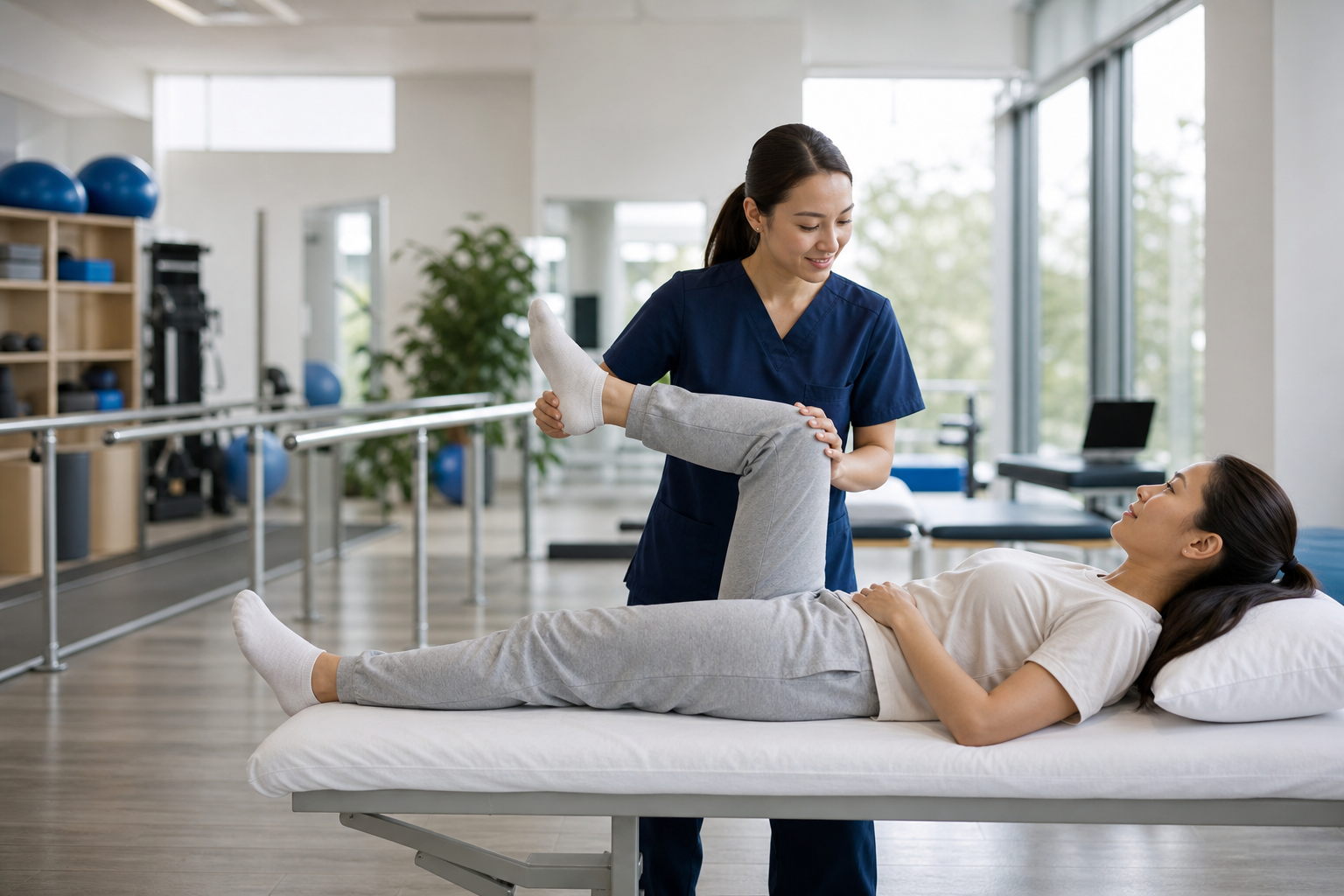
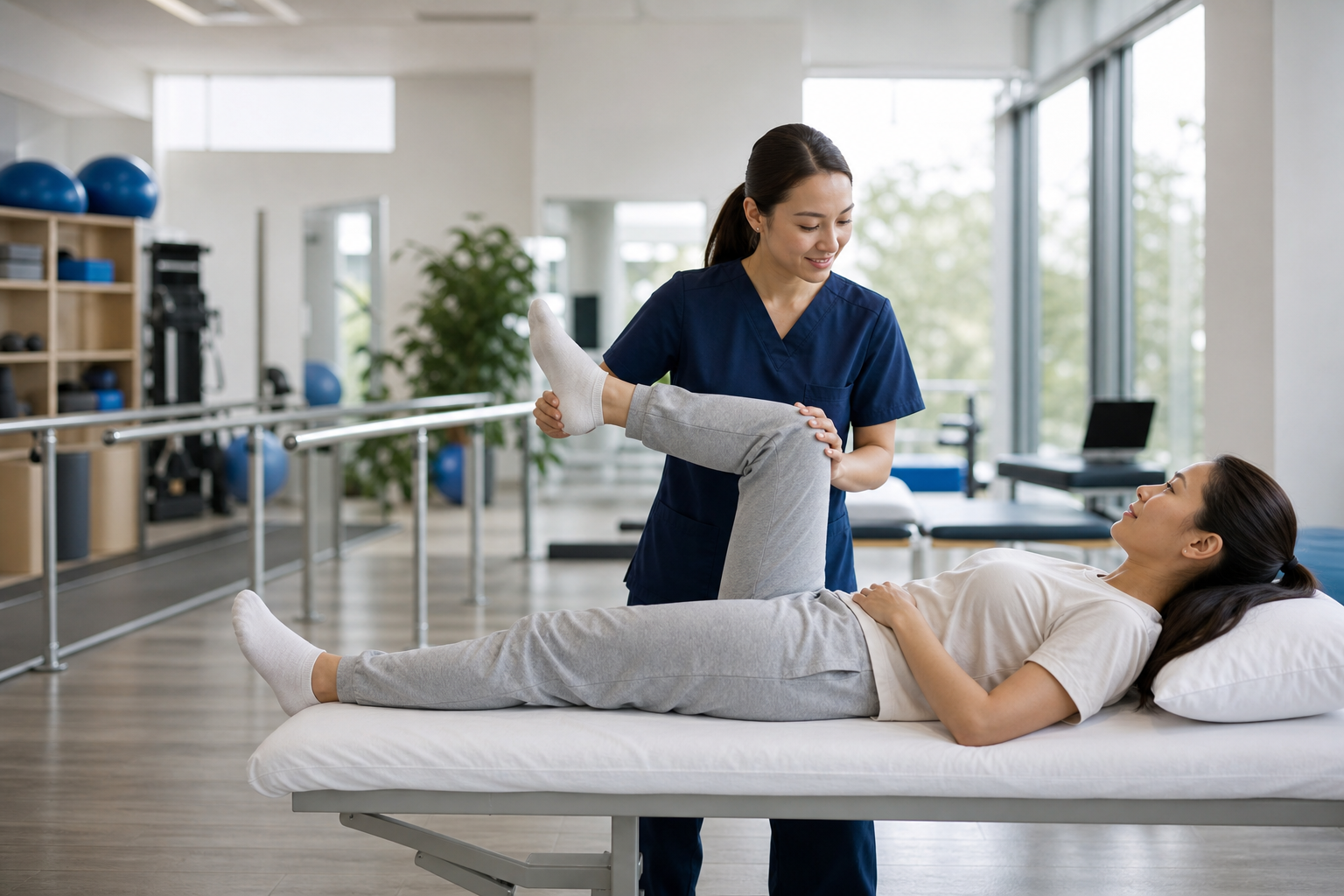
Rehabilitation services use targeted therapies to restore movement, reduce pain, improve balance and support independence after injury, surgery, illness or gradual decline. In Markham, local clinics commonly provide physiotherapy, chiropractic care, massage therapy, acupuncture, vestibular (balance) therapy and specialized approaches such as the McKenzie Method, myofascial release and manual therapy. These therapy categories are listed by multidisciplinary local providers and help people match care to their goals.
Who benefits: people recovering from sprains or surgery, older adults who want to regain strength for daily tasks, those with chronic pain seeking pain‑management strategies, and patients with dizziness or balance problems who need vestibular retraining. Rehabilitation is also central to recovery after major events (for example, stroke or cardiac treatment); inpatient and outpatient programs differ by intensity and goals but all focus on improving measurable function and independence (stroke and inpatient rehabilitation).
Which therapy is usually best for common problems
Use the main symptom or functional goal to narrow therapy choices, then confirm with an assessment. Typical pairings used by local therapists include:
- Persistent joint or muscle pain, reduced strength or limited mobility after injury or surgery: physiotherapy for exercise prescription, graded loading and manual therapy.
- Neck or back complaints focused on spinal mechanics: chiropractic care combined with active rehabilitation strategies.
- Soft‑tissue tightness, scar restrictions or trigger‑point pain: myofascial release, manual therapy or therapeutic massage.
- Dizziness, vertigo or ongoing imbalance after an inner‑ear problem: vestibular rehabilitation that uses graded head, eye and balance exercises to retrain balance responses (vestibular rehabilitation).
- Chronic respiratory conditions or reduced exercise tolerance after lung disease: pulmonary rehabilitation combining exercise training, breathing strategies, education and counselling to improve everyday function (pulmonary rehab).
- Older adults needing to preserve independence: targeted physical therapy plans emphasizing strength, balance and safe mobility to support daily activities (physical therapy for seniors).
If your symptoms suggest a complex medical cause (for example, new neurological changes, recent cardiac events or sudden loss of function), contact your physician first; a therapist will typically want medical clearance before starting more intensive exercise or a specialised rehab program. The clinical assessment determines whether a single approach or a combination of therapies is safest and most effective for your goals.
Step-by-step: how to prepare and book a rehabilitation appointment in Markham

Follow this checklist to prepare and take clear next steps when booking:
- Define your main goal: reduce pain, return to sport, walk more comfortably, stop dizziness, etc. A short written goal helps clinicians set measurable steps.
- Note timeline and urgency: how long symptoms have been present and whether they are changing rapidly. New or rapidly worsening signs such as sudden severe pain, fainting, chest pain or new paralysis require immediate medical attention.
- Check referrals and coverage: some public or specialized programs may need a physician referral—confirm with the provider and your insurer. Many local clinics advertise direct billing with major insurance companies; still, verify what your plan covers before booking to avoid unexpected costs.
- Confirm logistics with the clinic when you contact them: do they have intake forms, are evenings or weekend appointments available, and can they accommodate mobility or communication needs?
- Prepare notes for the intake: list current medications, prior treatments or surgeries, recent imaging (X‑ray or MRI) if available, and specific daily tasks you want to improve. This helps the first visit focus on function and goals.
When you call or message the clinic, describe your primary symptom and any important medical history so staff can recommend whether you need a particular clinician (for example, a therapist experienced in vestibular problems). Example phrasing for an appointment request: “I have recurrent vertigo and unsteady walking; I’d like an assessment for vestibular therapy.” Short, specific descriptions help the clinic prioritise the right clinician and appointment length.
What to expect on your first visit and how follow-up is organised
Most clinics follow a structured patient journey: an intake to collect medical history and symptom details, a hands‑on physical assessment, meeting the therapist who will explain findings, and either an initial treatment or a home exercise program. Local provider guides commonly describe this flow so care is consistent and personalised (see the physiotherapy markham guide for a sample patient-journey outline).
What to bring: a government ID if requested, any referral or imaging reports (X‑ray, MRI), a list of current medications, and your insurance details if you plan to use direct billing. Wear comfortable clothing that allows movement for joint and gait assessment. Expect the initial appointment to include discussion of goals and informed consent for any hands‑on testing or treatments.
How vestibular and pulmonary rehabilitation work, and safety limits to know

Vestibular rehabilitation uses targeted head, eye and balance exercises to retrain how the brain processes signals from the inner ear and vision. Exercises are tailored to symptom triggers and progressed gradually under supervision; supervised programs can reduce dizziness and improve steadiness for many patients (vestibular rehabilitation).
Pulmonary rehabilitation combines individualized exercise conditioning, breathing techniques, education on energy conservation and, when needed, nutritional or psychological support to enhance overall well-being. According to the American Lung Association, patients who engage in pulmonary rehabilitation can experience a 20-30% improvement in exercise capacity.