




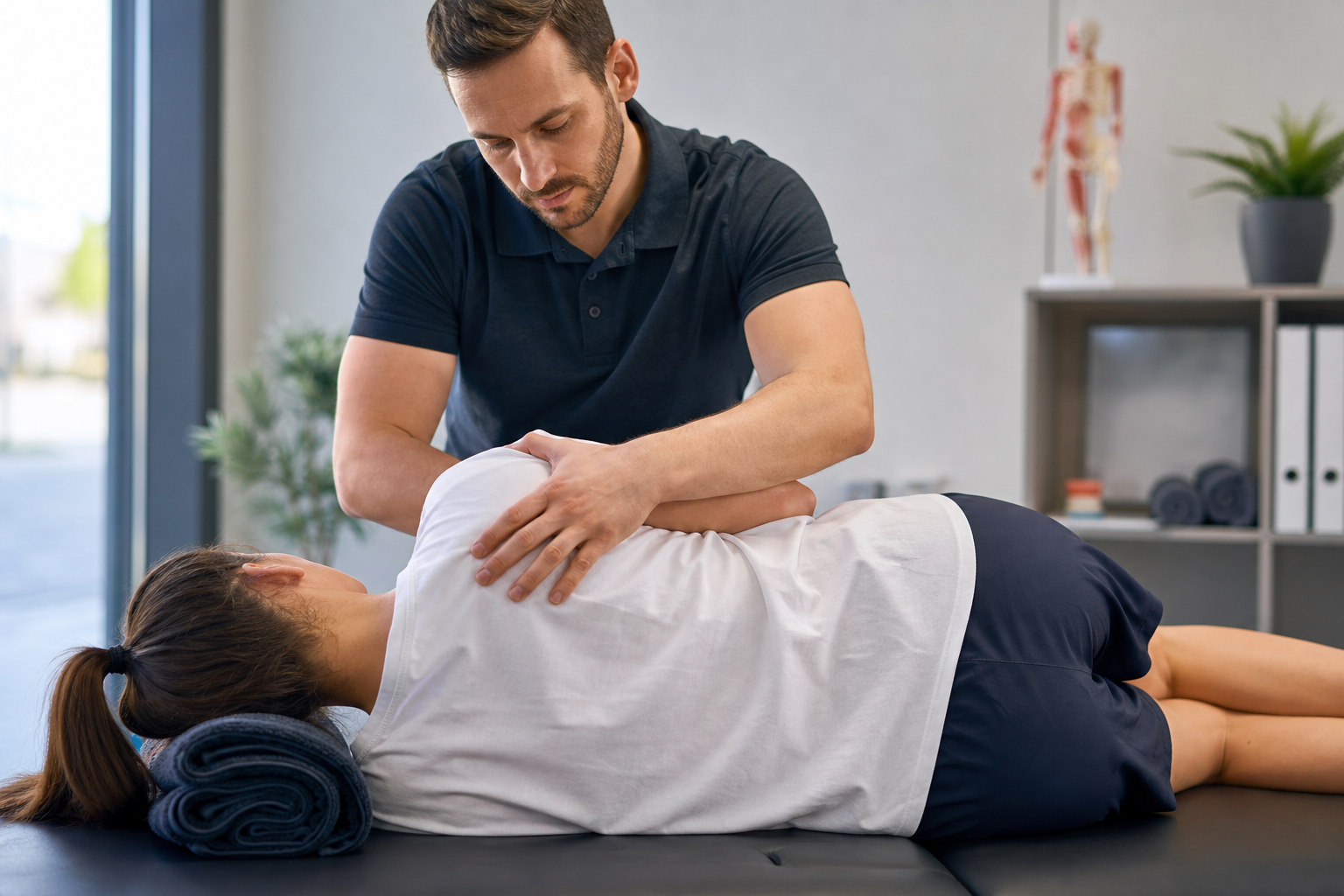
Manual therapy benefits compared: which hands-on approach helps your pain?
Manual therapy benefits compared: which hands-on approach helps your pain?
Manual therapy benefits can include short-term pain relief, improved range of motion, and faster return to everyday activities for certain musculoskeletal problems. Evidence shows these effects are condition dependent and usually stronger when hands-on care is combined with exercise and education rather than used alone. For summaries and meta-analyses of clinical outcomes see the published reviews linked below, which form the basis of the comparisons that follow: a systematic review and meta-analysis of manual therapy effects, a clinical effectiveness review for back and neck pain, and a targeted OPTIMa review for upper and lower extremity disorders (meta-analysis of manual therapy, clinical effectiveness review, OPTIMa systematic review).
How the main hands-on approaches differ
“Manual therapy” covers multiple techniques with different aims. Below are four commonly used approaches, a brief description of what each targets, and how the expected benefits differ in practice.
Joint mobilization and mobilisation techniques
What it is: graded, controlled movements applied by a clinician to a joint to restore accessory gliding or reduce stiffness. Typical goals are increased joint range of motion and reduced mechanical stiffness.
- Best for: joints that feel stiff after injury or immobilization, arthrokinematic limitations, and some types of spinal or peripheral joint pain.
- Primary benefit: improved movement and short-term function, especially when paired with movement retraining and exercise.
- Evidence note: clinical reviews identify benefits for range and function in select conditions, and recommend combining mobilisation with active rehabilitation rather than using it alone (clinical review on manual therapy).
Soft tissue release and myofascial techniques
What it is: targeted hands-on work to release tight muscles, adhesions, or scar tissue and to modulate tissue tone. Techniques include trigger point release, deep transverse friction, and myofascial release.
- Best for: localized muscle tightness, persistent soft tissue restrictions after injury, and postural-related tension.
- Primary benefit: reduced local pain and improved tissue extensibility that can make active exercises easier.
- Evidence note: randomized and pooled data show manual soft tissue techniques reduce pain and can aid physical and mental health measures in adults; benefits often appear quickly but vary by diagnosis and technique used (systematic review and meta-analysis).
Therapeutic massage and clinical massage
What it is: structured massage approaches that aim to reduce muscle tension, improve circulation, and promote relaxation. Licensed therapists and clinicians deliver techniques adapted to rehabilitation goals.
- Best for: generalized muscle tension, stress-related pain, and as an adjunct to other rehabilitation treatments.
- Primary benefit: symptom relief, relaxation, and sometimes short-term improvements in pain scores and well-being.
- Evidence note: meta-analytic work supports reductions in clinical pain intensity with manual therapies that include massage, though effects are typically modest and variable across conditions (meta-analysis).
Spinal manipulation and high-velocity techniques
What it is: a high-velocity, low-amplitude thrust applied to spinal joints, performed by trained clinicians such as physiotherapists, chiropractors, or osteopaths when appropriate.
- Best for: selected cases of spinal pain where movement restriction and specific clinical findings suggest a mechanical component.
- Primary benefit: short-term pain relief and improved spinal mobility for some patients, but it is not universally recommended for all spinal problems.
- Safety and evidence: clinical reviews emphasise strict screening, clear indication, and discussion of risks; spinal manipulation is effective for some patients but must be applied selectively after contraindications are excluded (clinical review).
Condition-by-condition evidence summary
Research is condition specific. Below are concise, evidence-based statements about where manual therapy shows the clearest benefits.
- Non-specific low back pain: manual therapy can reduce pain and improve short-term function for many patients, but best outcomes arise when manual therapy is combined with exercise, education, and self-management strategies (clinical review).
- Neck pain: similar to low back pain, hands-on techniques can provide short-term relief; combined approaches that include exercise have more reliable long-term benefits (clinical review).
- Non-specific shoulder pain: systematic reviews support manual therapy as helpful for non-specific shoulder pain in the short term, particularly when paired with exercise or activity modification (OPTIMa systematic review).
- Grade I-II ankle sprains: evidence shows that adding lower extremity mobilisation to home exercise and advice can improve short-term function and activities compared with exercise and advice alone (OPTIMa review).
How manual therapy fits into an effective rehabilitation plan
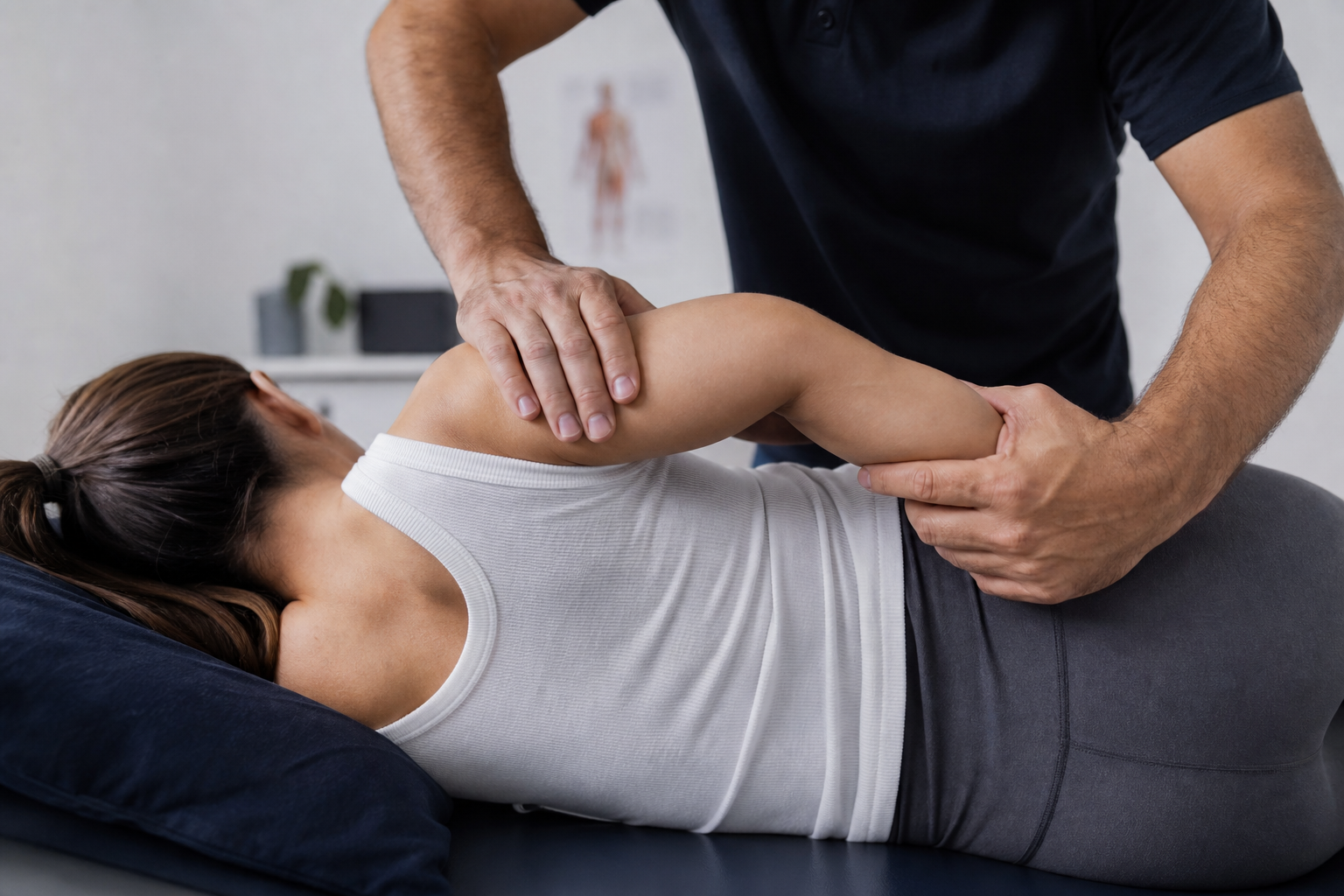
Hands-on care often plays a complementary role: clinicians use manual techniques to reduce pain, restore initial movement, and make exercise or activity easier to perform. Active rehabilitation—progressive strengthening, neuromuscular training, and education—builds lasting function. Systematic reviews consistently recommend multimodal care rather than manual therapy in isolation for many musculoskeletal conditions (OPTIMa review, meta-analysis).
Safety, common side effects and red flags
Common short-term responses after manual therapy include transient soreness, mild fatigue, or temporary stiffness. These reactions generally resolve within 24 to 72 hours. Less common risks depend on the technique and patient health but can include increased pain or, rarely, adverse events with high-velocity spinal techniques if contraindications are missed.
Before hands-on treatment clinicians should screen for red flags such as unexplained weight loss, fever or infection, progressive neurological deficits, known bone fragility, or recent major trauma. If any of these signs are present, manual therapy should be deferred until medical assessment. The clinical effectiveness review summarises contraindications and screening recommendations for spinal and peripheral manual techniques (clinical review).
Practical decision checklist for patients

Use this checklist to choose a hands-on technique and decide whether to book a session:
- Identify your main problem: pain, stiffness, weakness, or reduced function. Joint stiffness or loss of motion often responds well to mobilisation; localized muscle tightness may benefit more from soft tissue release.
- Prefer combined care: look for a clinician who pairs manual therapy with a progressive exercise plan and education about your condition.
- Confirm safety: if you have fractures, bleeding disorders, active infection, or specific neurological symptoms, seek medical clearance before manual therapy.
- Check insurance and billing: direct billing can reduce paperwork but does not guarantee full coverage—confirm benefits with your insurer and the clinic. Remarkable Physiotherapy supports direct billing with major insurers and aims to simplify payment and administrative steps (Remarkable Physiotherapy services).
- Expect a trial period: clinicians often reassess after a few sessions to judge response and adapt the plan; if symptoms do not improve or worsen, ask about alternative strategies.
What to expect at Remarkable Physiotherapy in Markham
Remarkable Physiotherapy offers manual therapy and soft tissue release as part of a broader rehabilitation program that includes physiotherapy, chiropractic care, massage therapy, acupuncture, and vestibular therapy. The clinic emphasises a structured patient journey with an initial consultation, a tailored treatment plan, and follow-up appointments. The clinic is open seven days a week and supports direct billing to major insurance companies to reduce administrative burden for patients; for full service information visit the clinic website (Remarkable Physiotherapy).
Location and contact: 8 Shadlock St, Unit 1, Markham, ON L3S 3K9. Phone: (289) 800-0441. When you call, ask about which clinician is trained in the specific manual technique you prefer and whether they will combine hands-on care with a home exercise plan.
Next steps
If you are experiencing musculoskeletal pain or limited motion, start with a focused initial consultation to confirm a diagnosis and discuss which manual therapy approach fits your goals. For details and to book an appointment, contact Remarkable Physiotherapy online or by phone. Their team can explain available techniques, direct billing options, and how manual therapy will be integrated into your rehabilitation plan (Remarkable Physiotherapy).
Frequently asked questions
Does manual therapy hurt and what side effects should I expect after a session?
Soreness or tiredness after treatment is common and usually mild, resolving within a few days. If you experience progressive numbness, severe worsening of pain, new weakness, or other worrying symptoms, stop treatment and seek medical review. Clinicians should screen for contraindications before delivering hands-on care (clinical guidance).
How many manual therapy sessions will I need before I see improvement?
There is no fixed number. Some patients notice improvement after one or two sessions, while others need repeated treatments combined with exercise. Practitioners typically reassess progress frequently and adjust the plan; if short-term benefits do not appear, your clinician will recommend alternatives.
Will manual therapy help with chronic low back pain or is it only for new injuries?
Manual therapy can reduce pain and improve short-term function for some people with chronic low back pain, but outcomes are variable and best when combined with exercise and education. Long-term improvement usually depends more on active rehabilitation than on hands-on care alone (review).
Do I need a doctor referral to book manual therapy at a physiotherapy clinic in Markham?
Rules vary by province and insurer. Many physiotherapy clinics accept direct bookings for an initial physiotherapy assessment. Contact the clinic to confirm booking procedures and whether you need a referral for insurance purposes; Remarkable Physiotherapy can advise on next steps when you call (289-800-0441) or visit their website (Remarkable Physiotherapy).
Does insurance typically cover manual therapy and does Remarkable Physiotherapy direct bill?
Coverage depends on your insurance plan and policy details. Remarkable Physiotherapy supports direct billing with major insurance companies to simplify payment, but patients should verify their specific benefits with their insurer ahead of treatment to understand any potential out-of-pocket costs (Remarkable Physiotherapy).
If you want evidence-based hands-on care that is coordinated with exercise and follow-up, book an initial consultation with Remarkable Physiotherapy to discuss which manual therapy techniques suit your condition and recovery goals.