




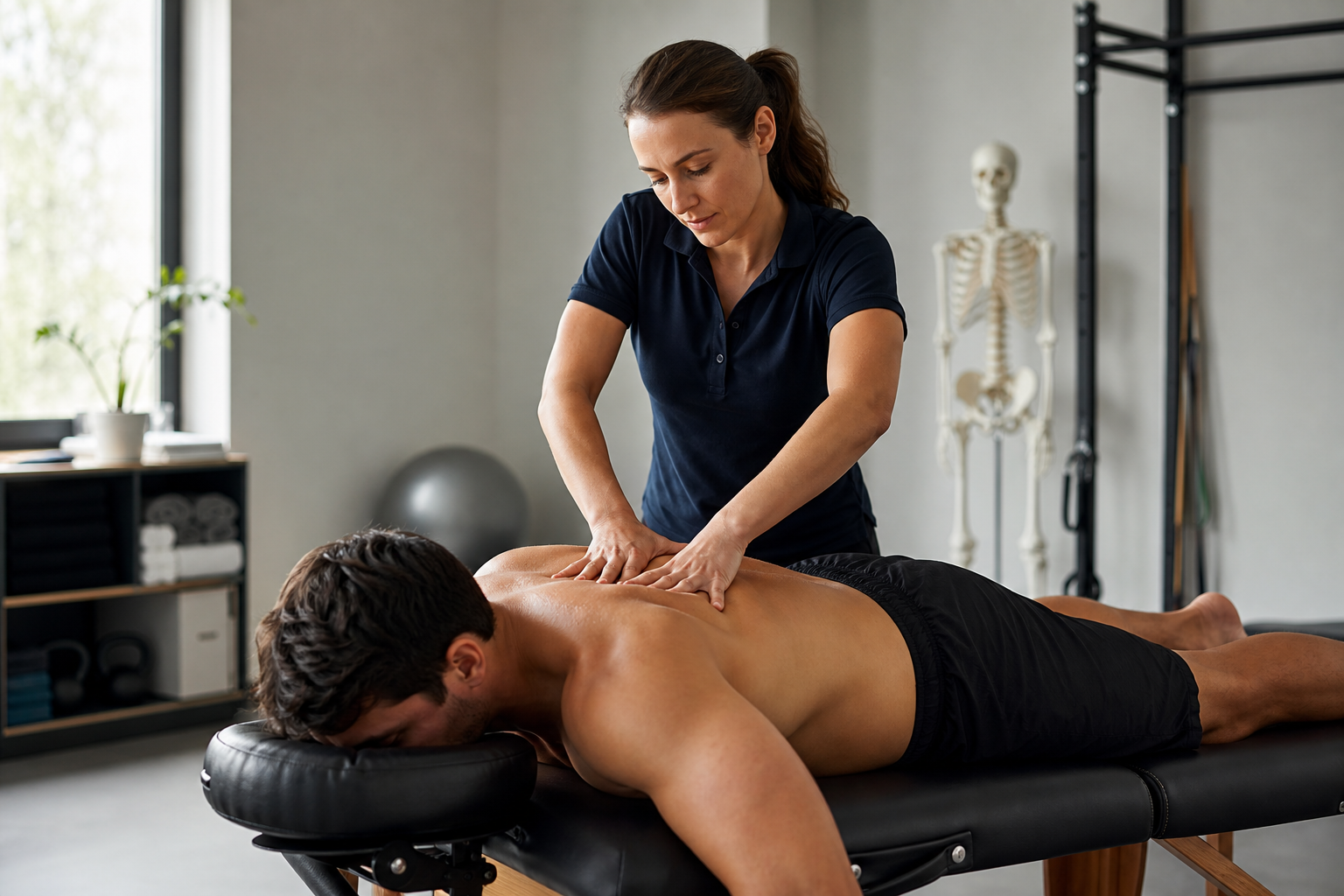
Massage therapy for recovery explained

Massage therapy for recovery explained
If you are recovering from exercise, a soft tissue injury, surgery, or chronic muscle tension you may be wondering whether massage therapy for recovery will help and which approach to choose. This article gives an evidence summary, seven clinic techniques to consider, clear safety guidance, and practical next steps for booking integrated care in Markham at Remarkable Physiotherapy.
What the evidence says about massage for recovery
Scientific studies on massage vary in size and quality, but authoritative summaries conclude that massage often reduces pain and related symptoms for a range of musculoskeletal problems. The US National Center for Complementary and Integrative Health notes that some evidence is preliminary, yet many trials show useful effects for certain conditions, especially some low back pain and chronic neck pain. The NCCIH also advises discussing whether massage is appropriate with your health care provider and checking a therapist’s training and credentials before you book (NCCIH).
In practice massage is most helpful as an adjunct to active rehabilitation. Hands on care can reduce pain, improve comfort, and temporarily increase range so you can complete prescribed exercises. It is not a guaranteed cure and should not delay medical assessment for worrying or progressive symptoms. For general tips on selecting a therapist and what to expect see the NCCIH guidance (NCCIH).
Seven massage and soft tissue approaches to try for recovery
Below are seven commonly used techniques. Each entry describes when it helps, who should avoid it or adapt it, how it pairs with physiotherapy, session details, and short aftercare notes so you can choose the right option.
1. Therapeutic massage
When it helps: General muscle tension, stress related pain, and broad symptom relief after exercise or during flare ups. Techniques use long effleurage strokes and moderate pressure to promote relaxation and comfort.
Session notes: Typical visits last 30 to 60 minutes and focus on large muscle groups. Your therapist will ask about pain locations and medical history before treating.
Who should avoid or adapt: People with open wounds, active infection, or uncontrolled bleeding disorders should not receive standard therapeutic massage. Discuss medication or recent medical events with your therapist.
How it pairs with physiotherapy: Therapeutic massage can reduce pain enough to let you participate in mobility and strengthening work prescribed by a physiotherapist, which is essential for durable recovery.
Aftercare: Drink water, expect mild tenderness for 24 to 48 hours, use heat or gentle movement as advised, and follow home stretches shown by your clinician.
2. Sports massage
When it helps: Post exercise recovery, managing delayed onset muscle soreness, and preparing or recovering from intense training. Sessions may include deeper strokes, targeted friction, and assisted stretching specific to an athlete’s needs.
Session notes: Sports massage sessions often include warm up work, targeted release, and recommendations for recovery strategies. Frequency depends on training load.
Who should avoid or adapt: Anyone with acute inflammation, a fresh muscle tear, or an undiagnosed injury should have a clinical assessment before deep sports massage is applied.
How it pairs with physiotherapy: It can be used between rehabilitation sessions to control symptoms and allow graded return to load and conditioning without skipping exercise progressions.
3. Myofascial release
When it helps: Persistent soft tissue restrictions that limit joint range or create a sense of stiffness. Myofascial release uses sustained low pressure and glide to improve tissue mobility and reduce tethering sensations.
Session notes: Treatments are often slower and may include guided breathing and positional changes to target fascial restrictions. Multiple sessions are common to achieve lasting change.
Who should avoid or adapt: Recent fractures, recent surgery, or unstable medical conditions require clinician review before myofascial work. Use caution after radiation therapy or in areas of compromised skin.
How it pairs with physiotherapy: Combine myofascial release with mobility drills and progressive strengthening so improvements in range translate into functional gains.
4. Soft tissue release and trigger point therapy
When it helps: Localized knots, trigger points, and focal referral patterns that reproduce familiar pain. Therapists apply focused pressure, gradual release, and specific stretches to the affected spot.
Session notes: Short, targeted sessions can provide quick symptom relief. Often used alongside exercise to address the underlying load or postural cause.
Who should avoid or adapt: If pain is unexplained, spreading, or comes with systemic symptoms see a health professional first instead of relying on trigger point work alone.
How it pairs with physiotherapy: Manual release reduces local pain and allows a physiotherapist to safely progress corrective exercise and load management to reduce recurrence.
5. Cupping therapy
When it helps: Some people report short term symptom relief and a sense of looseness after cupping. It is used as an adjunct to other therapies for tense areas where increased local circulation or decompression is desired.
Session notes: Cupping leaves temporary circular marks. It is usually part of a combined approach and not a stand alone long term solution.
Who should avoid or adapt: People on blood thinners, with fragile skin, or bleeding disorders should avoid cupping unless cleared by their clinician.
How it pairs with physiotherapy: Cupping can reduce discomfort that otherwise prevents engagement with mobility and strengthening exercises.
6. Lymphatic drainage
When it helps: Reducing swelling after surgery, managing mild lymphatic congestion, and supporting healing where oedema limits movement. The technique uses very gentle, rhythmic strokes to encourage lymph flow toward nodes.
Session notes: Lymphatic work is gentle and may be combined with compression, exercise, and home drainage routines as directed by a clinician.
Who should avoid or adapt: Active infection, untreated deep vein thrombosis, or uncontrolled cardiac conditions require medical clearance before lymphatic massage.
How it pairs with physiotherapy: It supports post surgical rehabilitation by reducing swelling that limits range and prevents effective strengthening.
7. Combined manual therapy with physiotherapy
When it helps: When recovery requires both symptom control and a structured exercise plan. Manual techniques may include joint mobilization and soft tissue work delivered by therapists who coordinate care with exercise progression.
Session notes: This integrated model sets short term symptom goals and longer term functional goals. Expect hands on care plus a progressive home or gym program and regular reassessment.
Who should avoid or adapt: Complex neurological or progressive systemic conditions should be managed by a multidisciplinary team with appropriate medical oversight.
How it pairs with physiotherapy: This is often the most effective route for durable recovery because hands on care creates the mobility or pain relief needed to start active rehabilitation and load retraining.
How massage fits with physiotherapy, chiropractic and vestibular care
Massage is rarely a complete solution on its own. In a multidisciplinary clinic massage is one tool within a recovery plan that includes assessment, progressive exercise, ergonomic advice, and where appropriate chiropractic or vestibular interventions. For example, massage may reduce neck muscle pain so that vestibular habituation exercises for dizziness are tolerable. Or targeted manual release can allow a physiotherapist to restore shoulder mechanics and progress strength work. Use the initial consultation to set shared goals, expected timelines, and measures of progress across providers. For a local overview of coordinated care options see Physiotherapy Markham: Remarkable Physiotherapy Guide.
Safety, contraindications and when to see a health professional

Massage is safe for many people but it is not appropriate in all situations. The NCCIH warns not to use massage to postpone seeing a health care provider for a medical problem and recommends discussing massage with your provider, especially if you have serious or undiagnosed symptoms (NCCIH). Common absolute and relative contraindications include open wounds, active infections, untreated deep vein thrombosis, active bleeding disorders, recent major surgery without clearance, and unstable cardiac conditions.
Red flags that require urgent medical review include sudden severe pain, new numbness or progressive weakness, sudden change in balance or coordination, unexplained fever, or loss of bowel or bladder control. If you encounter these symptoms seek immediate medical attention rather than scheduling routine massage.
What to expect at your first appointment in Markham
A typical initial visit at a multidisciplinary clinic begins with intake and a focused medical history. The clinician asks about your injury timeline, past treatments, medical conditions, and medications. A physical assessment identifies movement restrictions, areas of sensitivity, and any signs that need medical referral. The therapist will explain which massage techniques are appropriate that day and how they fit with your rehabilitation plan. Expect simple home-care directions, short mobility or breathing exercises, and a proposed follow-up interval.
Remarkable Physiotherapy provides massage with physiotherapy and chiropractic services, is open seven days a week, and supports direct billing with major insurers to reduce out of pocket administration. Call +1 289-800-0441 or visit the clinic website to confirm coverage and book.
How to choose the right technique and therapist for your recovery
Use this checklist when deciding:
- Primary recovery goal: pain relief, reduce swelling, restore range, or speed post exercise recovery.
- Timing and clinical clearance: acute injury or recent surgery often needs clinician approval first.
- Therapist qualifications: ask about registration, formal training, and supervised practice hours, as NCCIH recommends (NCCIH).
- Rehabilitation compatibility: prefer therapists who communicate with physiotherapists or provide combined sessions so hands on care supports active rehabilitation.
- Practical questions to ask before booking: How many sessions are typical? What short term reactions should I expect? Will you direct bill my insurer? How will progress be measured?
Common objections and practical answers

- Is it worth the cost? Massage can speed symptom relief and enable active rehabilitation. Ask about direct billing to reduce up front cost and consider a short trial paired with physiotherapy to evaluate benefit.
- Will it make soreness worse? Mild soreness for 24 to 48 hours is common after deeper work. If pain is severe or does not settle contact your therapist or health care provider.
- Does massage speed recovery? Evidence supports symptom reduction for some pain conditions. The best outcomes come when massage is combined with exercise, load management, and a measurable plan.
- How do I know the therapist is qualified? Ask for registration or professional credentials and whether they work within a clinic team that includes physiotherapists and other clinicians.
Where to book and next steps in Markham
If you would like integrated care that includes massage therapy for recovery, Remarkable Physiotherapy is a local multidisciplinary clinic at 8 Shadlock St Unit #1, Markham, ON L3S 3K9. The clinic is open seven days a week and offers direct billing with major insurers. For more on local physiotherapy options use the clinic’s guide at Physiotherapy Markham: Remarkable Physiotherapy Guide or call the clinic at +1 289-800-0441 to book an initial consultation or massage session. You can also visit the clinic website at Remarkable Physiotherapy for hours and appointment options.
Frequently asked questions
Is massage therapy right for my injury or should I see a doctor first
If the problem is new, severe, worsening, or associated with fever or neurological changes see a doctor first. For many musculoskeletal complaints massage can be part of recovery after a clinical assessment confirms it is safe and appropriate (NCCIH).
Will massage make muscle soreness or DOMS worse
Mild soreness after a session is common and usually settles in 24 to 48 hours. Appropriate pressure, timing, and communication with your therapist reduce the chance of increased soreness. Sports massage applied by a trained clinician is often used to manage DOMS when combined with active recovery strategies.
Does Remarkable Physiotherapy offer direct billing for massage therapy
Yes, the clinic advertises direct billing with major insurance companies to simplify payment for patients. Contact the clinic at +1 289-800-0441 to confirm coverage for your specific plan.
How does massage therapy work with physiotherapy for long term recovery
Massage provides symptom relief and mobility gains that allow physiotherapists to progress strengthening and movement retraining. Hands on care is most effective when it supports active rehabilitation and measurable functional goals rather than replacing exercise and load management.
What qualifications should I look for in a massage therapist
Ask about registration, formal training, and supervised practice hours. Confirm the therapist has experience with your condition and works in collaboration with physiotherapists when needed. The NCCIH recommends discussing training and credentials before you book to ensure safe and appropriate care (NCCIH).
Next step: To schedule an assessment or massage session call Remarkable Physiotherapy at +1 289-800-0441 or visit the official website for booking and clinic information.