




Is acupuncture for pain relief right for you after 7 practical checks?

Is acupuncture for pain relief right for you after 7 practical checks?
Short answer: acupuncture can help some types of pain, but it is not a guaranteed cure and works best when it is part of a clear plan. High‑level reviews from the U.S. National Center for Complementary and Integrative Health note benefit for low back pain, neck pain, knee pain from osteoarthritis, and certain postoperative pain (NCCIH: Acupuncture effectiveness and safety). The NCCIH pain overview offers practical consumer guidance when combining complementary approaches (NCCIH pain eBook).
Locally, Remarkable Physiotherapy in Markham offers acupuncture alongside physiotherapy, chiropractic care, and massage, with seven‑day availability and direct billing to simplify access (Remarkable Physiotherapy: acupuncture) and Remarkable Physiotherapy. Use the seven practical checks below to decide whether to try acupuncture for pain relief and how to book responsibly.
- 1. Check the evidence for your specific type of pain
- 2. Understand safety, common side effects, and contraindications
- 3. Verify practitioner qualifications and scope in Ontario
- 4. Decide how acupuncture will fit with physiotherapy, chiropractic, or massage
- 5. Confirm insurance, direct billing, and typical logistics
- 6. Know what a first acupuncture session looks like and how to prepare
- 7. Practical next steps: a short decision checklist and how to book locally
1. Check the evidence for your specific type of pain
Not all pain responds equally to acupuncture. Reviews summarized by the NCCIH show the strongest, most consistent support for:
Best-supported conditions
- Chronic low back pain
- Neck pain
- Knee pain from osteoarthritis
- Certain kinds of postoperative pain
If your primary complaint is one of the conditions above, acupuncture is a reasonable option to consider, particularly when standard therapies have not fully relieved symptoms (NCCIH).
Where evidence is mixed or limited
For chronic widespread pain, many neuropathic pain syndromes, and some musculoskeletal problems the evidence is mixed or inconclusive. In those cases, prioritise proven medical or rehabilitative treatments first and consider acupuncture as an adjunct rather than a replacement.
2. Understand safety, common side effects, and contraindications
Acupuncture is generally safe when performed by a trained, regulated practitioner using sterile, single‑use needles. Common minor effects include temporary soreness, mild bruising, or minimal bleeding at needle sites. Serious complications are rare but can include infection or organ injury if procedures are performed improperly. For a balanced summary of benefits and risks, see the NCCIH effectiveness and safety review and their consumer pain eBook (NCCIH) and (NCCIH pain eBook).
What to watch for after treatment
- Expected: brief relaxation, local soreness, lightheadedness in a few people.
- Report promptly: fever, increasing redness or drainage at needle sites, fainting, or new neurological symptoms.
When to postpone or avoid acupuncture
Discuss with the practitioner before booking if you have a bleeding disorder, take anticoagulant medication, have an implanted electrical device such as a pacemaker, are pregnant, or are immunocompromised. Always disclose medications and medical history so the practitioner can adapt point selection and technique.
3. Verify practitioner qualifications and scope in Ontario

In Ontario, acupuncturists and traditional Chinese medicine practitioners are regulated. When choosing a clinician, check registration, professional liability insurance, and whether the practitioner works within a larger rehabilitative team.
Questions to ask before booking
- Are you registered with the provincial regulator and can you provide your registration number?
- Do you have professional liability insurance and current CPR training?
- How many years have you practised and do you treat my specific condition?
Remarkable Physiotherapy lists acupuncture as a service offered within a multidisciplinary team, which can make coordination easier when you also need physiotherapy or chiropractic care (Remarkable Physiotherapy: acupuncture). If a practitioner will not discuss training, registration, or infection control, consider that a red flag.
Red flags to avoid
- Unsterile needles or use of reusable needles.
- Practitioners who refuse to discuss training, registration, or infection control.
- High‑pressure promises of a guaranteed cure or a fixed number of sessions before results.
4. Decide how acupuncture will fit with physiotherapy, chiropractic, or massage
Acupuncture often works best as part of a combined care plan. Many patients gain symptom relief that helps them take part in active rehabilitation such as exercise, manual therapy, or graded mobility work. Remarkable Physiotherapy offers acupuncture alongside physiotherapy, chiropractic care, and massage, which supports coordinated treatment planning (Remarkable Physiotherapy: acupuncture).
Typical combined-care examples
- Use acupuncture to reduce pain enough to begin or progress an exercise program.
- Alternate manual therapy or massage with acupuncture on the same visit to address stiffness and pain together.
- Coordinate timing so acupuncture supports physiotherapy sessions rather than replacing active treatment.
When to prioritise active rehab over passive therapies
If your main goal is strength, mobility, or return to sport, active rehabilitation is essential. Use acupuncture to support those goals through symptom control that enables exercise, not as the only approach.
5. Confirm insurance, direct billing, and typical logistics

Before booking, call your extended health insurer to confirm whether acupuncture is covered under your plan and what documentation is required. Remarkable Physiotherapy advertises direct billing with major insurers and seven‑day opening hours to reduce administrative friction and improve access (Remarkable Physiotherapy).
Questions to call your insurer
- Does my plan cover acupuncture and what is the annual limit or per‑visit maximum?
- Do I need a physician referral or a specific practitioner type listed in my plan?
- What receipts or billing codes are required for reimbursement?
What to ask the clinic
- Do you offer direct billing to my insurer and which insurers do you bill?
- How long are appointments and how much time should I allow for my first visit?
- Do you supply sterile single‑use needles and what infection control protocols do you follow?
6. Know what a first acupuncture session looks like and how to prepare
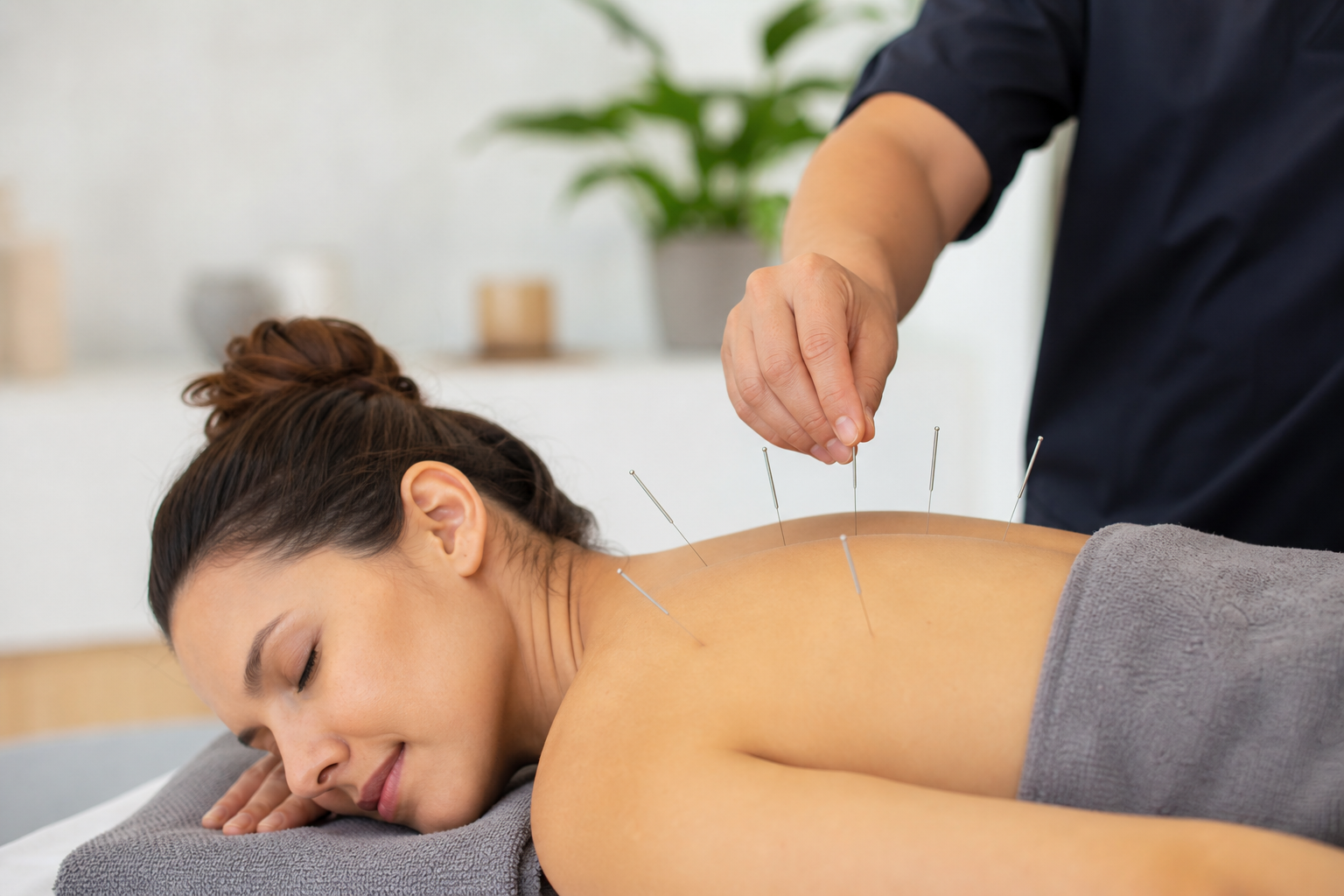
A typical first appointment includes a health intake, targeted physical assessment, discussion of goals, and then treatment. The practitioner will explain the plan and obtain informed consent before inserting needles. Sessions usually end with brief aftercare advice.
How long sessions take
Expect the first visit to take longer for the intake and assessment, often 45 to 60 minutes. Follow‑up treatments are usually shorter, commonly 30 to 45 minutes, but exact timing varies by clinic.
How to prepare and what to wear
- Bring a list of current medications and your extended benefits card if you plan to use insurance.
- Wear loose or easily movable clothing so the practitioner can access relevant areas.
- Eat lightly beforehand and avoid heavy alcohol or sedating medication before treatment.
7. Practical next steps: a short decision checklist and how to book locally
Use this five‑item mini checklist to decide now:
- Your pain matches a condition with reasonable evidence for benefit (back, neck, knee osteoarthritis, postoperative pain).
- You have no major contraindications and have discussed medications or implants with a clinician.
- You can confirm a regulated, insured practitioner with clear infection control policies.
- Your insurer covers acupuncture or the clinic can direct bill your plan.
- You are willing to use acupuncture alongside active rehabilitation when needed.
If most answers are yes, practical next actions are:
- Call or book online with your chosen clinic and ask the screening questions above.
- Confirm direct billing and what paperwork your insurer requires.
- Bring your medication list and benefits card to the first visit and agree a follow‑up plan that integrates physiotherapy or other therapies if appropriate.
To explore local options, Remarkable Physiotherapy offers acupuncture on site and coordinates care across physiotherapy, chiropractic care, and massage, with direct billing and extended hours to help scheduling (Remarkable Physiotherapy: acupuncture).
Frequently asked questions
Is acupuncture safe for most types of pain?
When performed by a trained, regulated practitioner using single‑use sterile needles, acupuncture is generally safe. Minor soreness or bruising is common; serious complications are rare. For a summary of safety and effectiveness, see the NCCIH overview (NCCIH).
How many acupuncture sessions will I likely need to see improvement?
There is no universal number. Response varies by condition and individual. Your practitioner should propose a trial period with measurable goals, then reassess progress and adjust the plan rather than promising a fixed session count.
Will acupuncture hurt during treatment?
Most people feel minimal discomfort at insertion, a dull ache, or a tingling sensation. Many patients report relaxation during and after treatment. Discuss comfort concerns with your practitioner so they can adapt needle technique.
Does insurance cover acupuncture and can Remarkable Physiotherapy direct bill my insurer?
Coverage depends on your extended health plan. Remarkable Physiotherapy states it supports direct billing with major insurers; confirm with your plan and the clinic before booking and have your plan details ready (Remarkable Physiotherapy).
Can I use acupuncture together with physiotherapy for back or neck pain?
Yes. Combining acupuncture with active physiotherapy or manual therapy is common and often useful to reduce pain so you can participate more fully in rehabilitation. Ask your clinician to coordinate treatments and set shared goals.
Final step: Ready to ask questions or book an appointment? Visit Remarkable Physiotherapy’s acupuncture page to learn more and book a consultation?