




Acupuncture for pain relief and when it may help

Acupuncture for pain relief and when it may help
Key Takeaways
- Acupuncture can effectively reduce pain for conditions like chronic low back pain and osteoarthritis.
- Patients may experience immediate relief after treatment, with cumulative benefits seen over a series of sessions.
- Safety is paramount; ensure your acupuncturist is licensed and uses sterile, single-use needles.
- Remarkable Physiotherapy offers a multidisciplinary approach, integrating acupuncture with other therapies for optimal recovery.
- Direct billing with major insurance companies is available, making treatment more accessible.
If you are living with persistent aches, joint pain, or post-operative discomfort, you may be researching acupuncture for pain relief and wondering whether it is a sensible option. This article opens with the common symptoms people bring to acupuncture, summarises the best evidence by condition, lists safety and candidate checks, explains when to see a doctor first, and finishes with clear local next steps for patients in Markham.
Acupuncture for pain: common symptoms people seek treatment for
Patients typically try acupuncture for one or more of these problems:
- Chronic low back pain or recurring lower back flares.
- Joint pain from osteoarthritis, most commonly the knee.
- Post-operative or acute surgical pain where opioid-sparing strategies are desired.
- Chronic neck and shoulder pain, including myofascial pain patterns.
- Headache disorders where standard therapies have limited effect.
- Pain associated with cancer treatments, such as aromatase inhibitor related joint pain in breast cancer patients.
These are the symptoms most commonly evaluated in clinical trials and reviews of acupuncture for pain relief (see evidence links below).
What the best evidence says by condition
Randomised trials and meta-analyses show that acupuncture can produce measurable analgesic effects for several pain conditions, though the size and duration of benefit vary by diagnosis and study design. A pooled analysis of reviews concluded that acupuncture has an immediate analgesic effect and reported positive results for chronic low back pain and osteoarthritis; individual trials differ in strength and follow-up (systematic review and meta-analysis).
Low back pain
Chronic low back pain is one of the better supported indications for acupuncture. Reviews report consistent short-term pain reduction compared with no treatment or usual care, and acupuncture is often recommended as a non-pharmacological option within a multimodal care plan. Benefits are commonly modest to moderate, and stronger outcomes are reported when acupuncture is combined with exercise and rehabilitation (meta-analysis).
Osteoarthritis and joint pain
Trials in knee osteoarthritis commonly show improved pain and function versus minimal or sham interventions, and many clinicians use acupuncture as an adjunct to physical therapies. Evidence summaries conclude acupuncture may reduce pain for osteoarthritis, although effects are typically additive rather than curative (systematic review, NCCIH summary).
Post-operative pain and specific drug-related joint pain
Some controlled studies report that acupuncture or related techniques delivered shortly after surgery reduce immediate post-operative pain and may lower opioid use compared with standard care alone. Small trials also report benefit for joint pain caused by aromatase inhibitors used in breast cancer treatment (NCCIH, meta-analysis).
How acupuncture may reduce pain and what to expect after treatment

Researchers propose several mechanisms for acupuncture’s analgesic effects, including modulation of central pain pathways, release of endogenous opioids and neurotransmitters, and local changes in blood flow and tissue chemistry. Many patients report immediate short-term relief after a session, while cumulative benefits often appear after a series of treatments combined with exercise and manual therapies (Harvard Health, recent review).
Typical treatment response and timeline:
- Immediate effect: some people notice reduced pain or increased comfort for hours to days after a session.
- Short course response: a planned series of 4 to 8 sessions over several weeks is common to assess benefit for chronic problems. Expect reassessment and plan adjustment rather than a fixed number of sessions.
- Long term: acupuncture is usually part of a rehabilitation strategy that includes exercise, manual therapy, or lifestyle changes to address underlying contributors to pain.
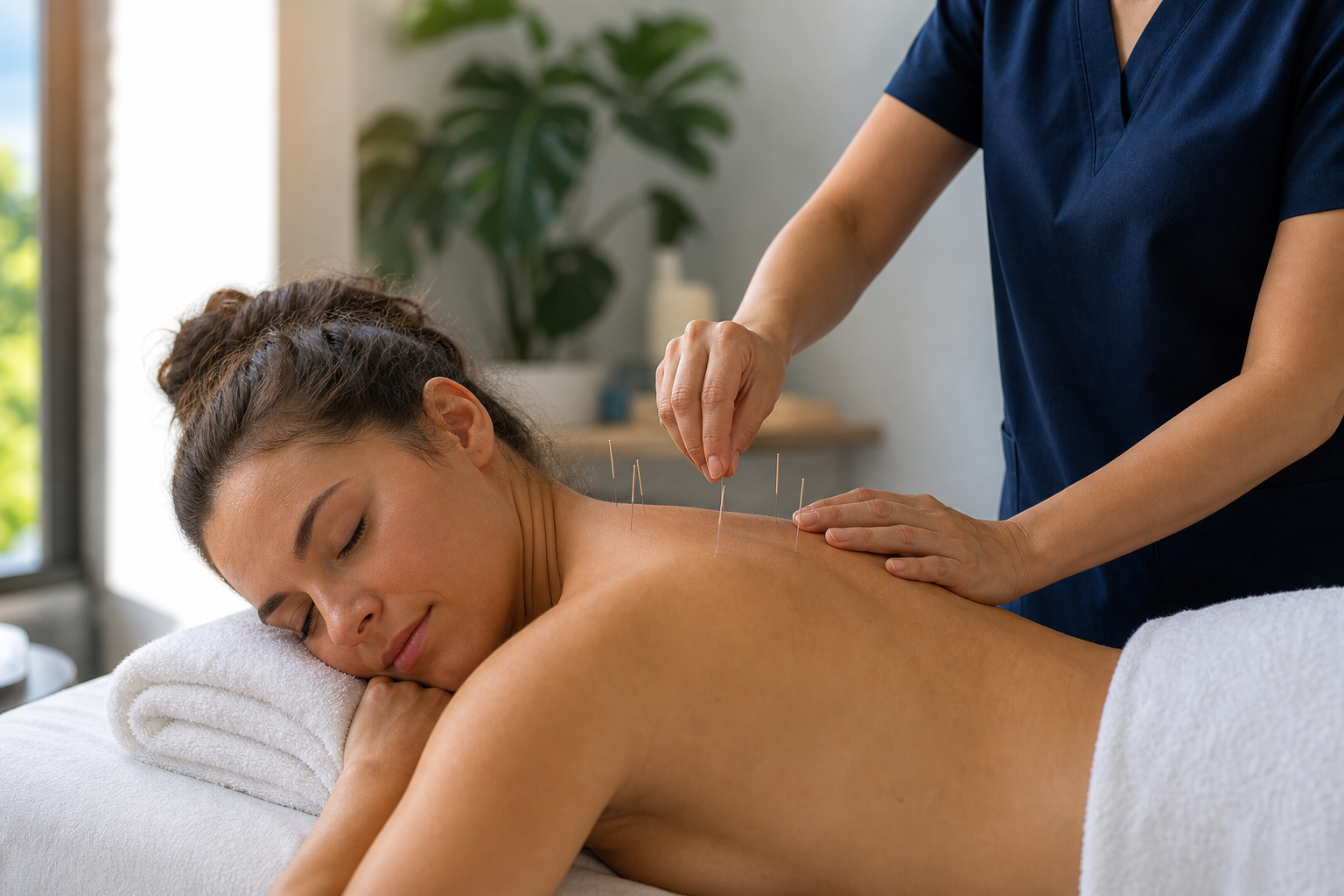
Example session: after a medical history and targeted assessment, the practitioner places fine, single-use needles in specific points and may leave them in place for 10 to 30 minutes. Some clinics add manual stimulation, heat, or electroacupuncture when indicated. Most patients relax on a treatment table and report only mild sensation when needles are inserted.
Safety, common side effects, and credentials to check
Acupuncture is generally safe when performed by trained practitioners. Common minor effects include brief soreness, mild bruising, or transient lightheadedness. Serious complications are rare when single-use, sealed needles and proper technique are used, and the risk of blood-borne infection is minimal with modern single-use needles (Harvard Health).
Key credentials and safety checks to ask about:
- Is the practitioner licensed, registered, or certified in your jurisdiction and trained in sterile needle technique? Look for recognised credentials or certification from a reputable body.
- Does the clinic use single-use sealed needles and follow standard infection control and hygiene procedures?
- Will the practitioner take a full medical history, including bleeding disorders, medication list, and pregnancy status, before needling?
- Can the clinic coordinate acupuncture with your other therapies and your primary care or surgical team if needed?
Authoritative sources summarise safety and appropriate practice while noting that research continues to refine who benefits most from acupuncture (NCCIH, recent advances review, MedlinePlus).
Am I a candidate? Quick safety checks before booking

Use this concise checklist to decide whether to book an acupuncture session now or seek medical clearance first:
- Symptom suitability: your pain is musculoskeletal, such as chronic low back pain, knee osteoarthritis, post-operative discomfort, or persistent neck and shoulder pain. These presentations have the strongest supportive evidence.
- Bleeding risk: if you take anticoagulant medication or have a bleeding disorder, tell the practitioner and obtain medical clearance if advised.
- Pregnancy: some acupuncture points are contraindicated in pregnancy. Disclose pregnancy before treatment.
- Implanted devices: inform the practitioner about pacemakers or implanted neurostimulators so treatment areas can be adapted.
- Active infection or open wounds: wait until infections are treated and wounds are healed.
If you are unsure about any item above, call your family doctor or specialist for advice before booking acupuncture.
When to choose medical assessment first
Do not use acupuncture as a substitute for urgent medical care when there are warning signs. Seek immediate medical review if you have:
- Fever with new or rapidly worsening pain.
- Progressive neurological symptoms such as sudden weakness, numbness, or loss of bladder or bowel control.
- Recent severe trauma to the spine or major joints.
- Unexplained weight loss, persistent night pain, or other signs suggestive of cancer.
For non-urgent but concerning problems, ask your primary care provider for a referral or medical clearance before starting acupuncture.
How acupuncture is delivered at Remarkable Physiotherapy and local next steps
Remarkable Physiotherapy in Markham offers acupuncture as part of a multidisciplinary approach that also includes physiotherapy, chiropractic care, massage therapy, vestibular therapy, and manual techniques. The clinic describes a structured patient journey from an initial consultation and meeting the therapist to ongoing follow-up, which helps integrate acupuncture with exercise and manual rehabilitation when appropriate (Remarkable Physiotherapy).
Practical local details to prepare for your first appointment:
- Clinic location and contact: Remarkable Physiotherapy, 8 Shadlock St #1, Markham, ON. Call (289) 800-0441 or visit the clinic website to book a consultation (clinic website).
- Hours and access: the clinic advertises seven-day availability to make scheduling easier for working adults and families (Remarkable Physiotherapy).
- Insurance and billing: Remarkable Physiotherapy supports direct billing with major insurance companies to reduce out-of-pocket administration for eligible plans. Confirm coverage with your insurer before attending.
- What to bring: a referral or recent imaging if available, a current medication list, and comfortable clothing that allows access to the treatment area.
If you are already receiving physiotherapy or manual therapy, ask the clinic how acupuncture can be coordinated with your existing plan to maximise benefit and avoid scheduling conflicts.
Frequently asked questions
Does acupuncture work for low back pain?
Clinical reviews show acupuncture can reduce pain in chronic low back conditions and is a reasonable part of a multimodal plan. Evidence supports short-term pain relief and functional improvement, often best when combined with exercise and rehabilitation (systematic review).
Is acupuncture safe and what credentials should an acupuncturist have?
Acupuncture is generally safe when provided by licensed or certified practitioners using single-use sealed needles and proper infection-control procedures. Ask about the practitioner’s licence or certification and the clinic’s needle hygiene policies (Harvard Health).
How many acupuncture sessions are typically needed to see pain relief?
Response varies. Some patients report relief after one or two sessions. Others need a series of sessions over several weeks. Your practitioner should discuss a realistic plan and reassess progress regularly rather than promise a fixed number of visits.
Will my insurance cover acupuncture and does Remarkable Physiotherapy offer direct billing?
Coverage for acupuncture varies by insurer and plan. Remarkable Physiotherapy supports direct billing with major insurance companies to simplify payment, but you should verify your individual coverage before attending (Remarkable Physiotherapy).
Can I combine acupuncture with physiotherapy or other treatments at the same clinic?
Yes. Combining acupuncture with physiotherapy, manual therapy, or exercise is common and often recommended. A coordinated plan helps address both symptom relief and the underlying movement or strength deficits that contribute to pain.
Next step
To discuss whether acupuncture for pain relief is appropriate for your symptoms, call Remarkable Physiotherapy at (289) 800-0441 or visit the clinic website to book a consultation with their multidisciplinary team: Remarkable Physiotherapy.