




TMJ Dysfunction and Massage Therapy in Markham
TMJ Dysfunction and Massage Therapy in Markham
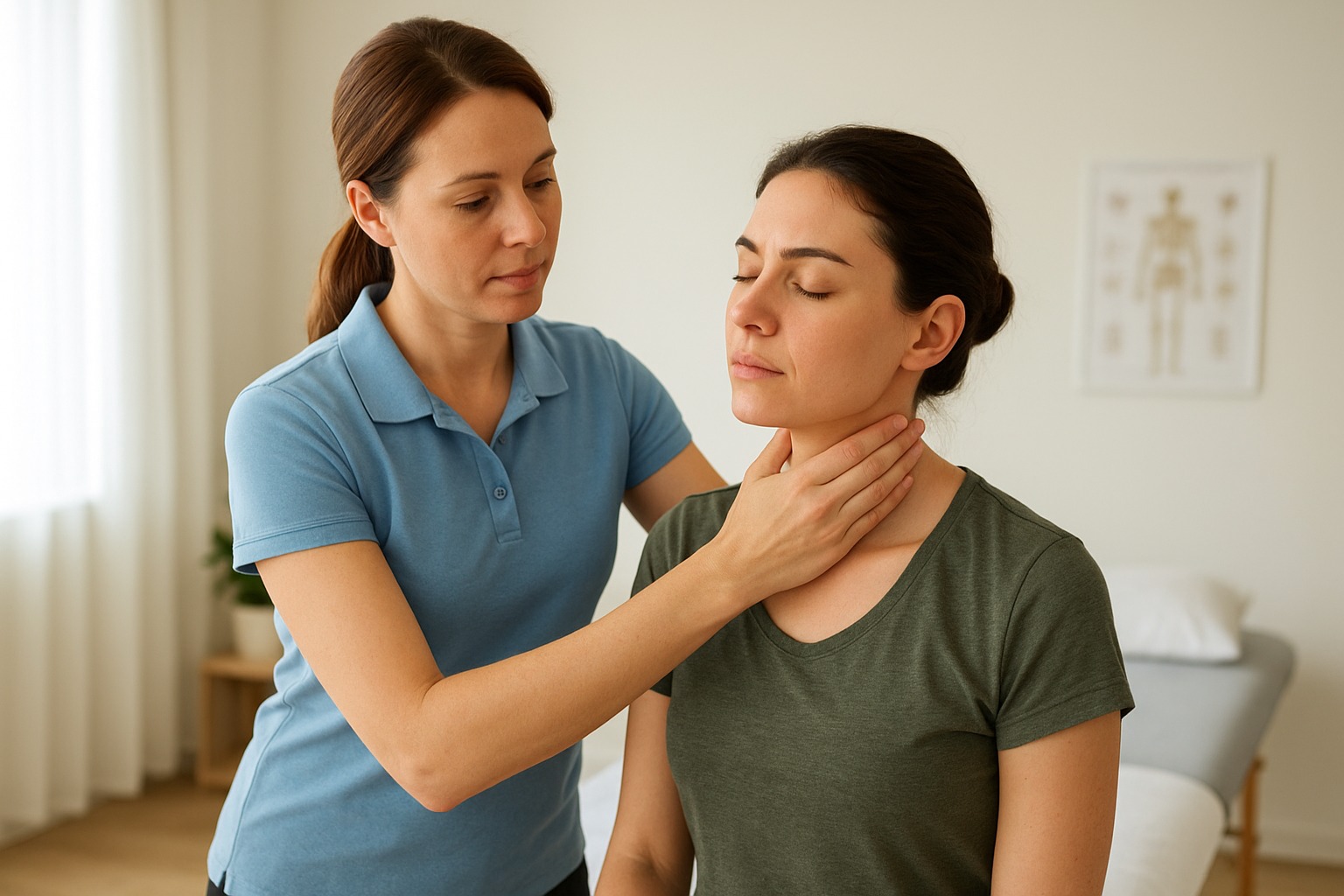
TMJ dysfunction can cause jaw pain, tenderness, clicking, headaches, or difficulty opening the mouth. In Markham, a massage therapy assessment may review your symptoms, clenching habits, comfort, and goals before discussing whether gentle soft-tissue care is appropriate. Treatment is individual and may involve coordination with dental or medical providers.
Jaw symptoms can be distracting: a sore face after a long workday, a click while eating, or tension that seems to travel toward the temples. TMJ dysfunction has different possible contributors, so a short internet article cannot tell you what is causing your symptoms.
What is TMJ dysfunction?
TMJ dysfunction refers to problems involving the temporomandibular joint and the muscles used for chewing. Symptoms can include jaw tenderness, headaches, joint sounds, limited opening, or locking. MyHealth Alberta’s patient pathway advises working with a healthcare team to choose an individual plan and to seek prompt care if the jaw is locked open or shut.
Massage therapy is regulated in Ontario. The Ontario Massage Therapy Act describes the profession’s scope as assessment and treatment of soft tissues and joints by manipulation. That legal scope does not mean massage therapy is appropriate for every jaw problem.
What can you expect from a massage therapy assessment in Markham?
At Remarkable Physiotherapy, the first conversation should be about your symptoms, daily routine, comfort, and goals. The College of Massage Therapists of Ontario says informed consent is required before assessment or treatment, and that care should be based on assessment, patient goals, professional judgement, and an evidence-informed approach.[1]
- Describe when the jaw or face feels tight, sore, tired, or restricted.
- Share any clenching, grinding, dental work, headaches, ear symptoms, or recent injury.
- Discuss pressure, positioning, draping, and what you want to avoid.
- Ask what the practitioner is assessing and how you will decide whether to continue.
Care may be gentle and may focus on areas related to your symptoms rather than forcing the jaw to move. You should be able to give feedback throughout the session. If your presentation is outside the practitioner’s competence or scope, referral to a dentist, physician, physiotherapist, or another healthcare professional may be more appropriate.[1]
What can you do between visits?
General guidance from MyHealth Alberta includes noticing jaw clenching, avoiding habits that overwork the jaw, choosing easier-to-chew foods when symptoms are active, and asking a healthcare provider whether gentle self-massage is suitable. These suggestions are not a personal treatment plan, and you should stop anything that increases your symptoms.
- Set a quiet reminder to notice whether your teeth are clenched when you are not eating.
- Take breaks from gum, very chewy foods, nail biting, or resting your chin on your hand if these worsen symptoms.
- Use a comfortable food texture for a short period if chewing is painful, and discuss persistent difficulty with a healthcare professional.
- Do not force a stretch, massage a swollen area, or ignore a jaw that becomes stuck.
When should you seek dental or medical assessment?
Arrange an assessment when jaw pain persists, interferes with eating or sleep, or is getting worse. Seek urgent medical care for a jaw locked open or shut, significant facial swelling, trouble breathing or swallowing, or a serious injury. A massage therapy appointment is not an emergency service.
Frequently Asked Questions
Can massage therapy help with TMJ dysfunction?
Massage therapy may be one option for some people with TMJ symptoms, but it is not right for everyone. A qualified provider should assess your symptoms, explain the approach, and stop or modify care if it is uncomfortable or unsuitable.
What happens during a massage therapy assessment for jaw tension?
The practitioner may ask about jaw pain, clenching, headaches, daily activities, dental care, and relevant health history. They should discuss consent, comfort, goals, and whether another healthcare professional should be involved.
Should I see a dentist for TMJ dysfunction?
A dentist or physician may be appropriate, especially when symptoms include locking, swelling, changes in your bite, significant tooth concerns, or symptoms that are worsening. Massage therapy should not replace an assessment for those concerns.
How can I book massage therapy in Markham?
You can book an appointment online with Remarkable Physiotherapy in Markham. A first visit can be used to discuss whether massage therapy fits your symptoms and goals.
Book massage therapy in Markham
If jaw tension or related muscle discomfort is affecting your routine, you can discuss your options with the team at Remarkable Physiotherapy. Learn about massage therapy in Markham or book an appointment online.
Remarkable Physiotherapy
8 Shadlock St #1, Markham, ON L3S 3K9, Canada
+1 289-800-0441 · remarkablephysio@gmail.com
Disclaimer: This article is for general education and does not constitute medical advice, diagnosis, or treatment. Individual needs vary. Speak with a qualified healthcare professional for advice about your symptoms. Seek urgent care for emergencies.
Sources
[1] https://www.cmto.com/rules/standard-of-practice-patient-centred-care
[2] https://ontario.ca/laws/statute/91m27
[3] https://myhealth.alberta.ca/TMJ-dysfunction-pathway/review-your-treatment-and-management-options