




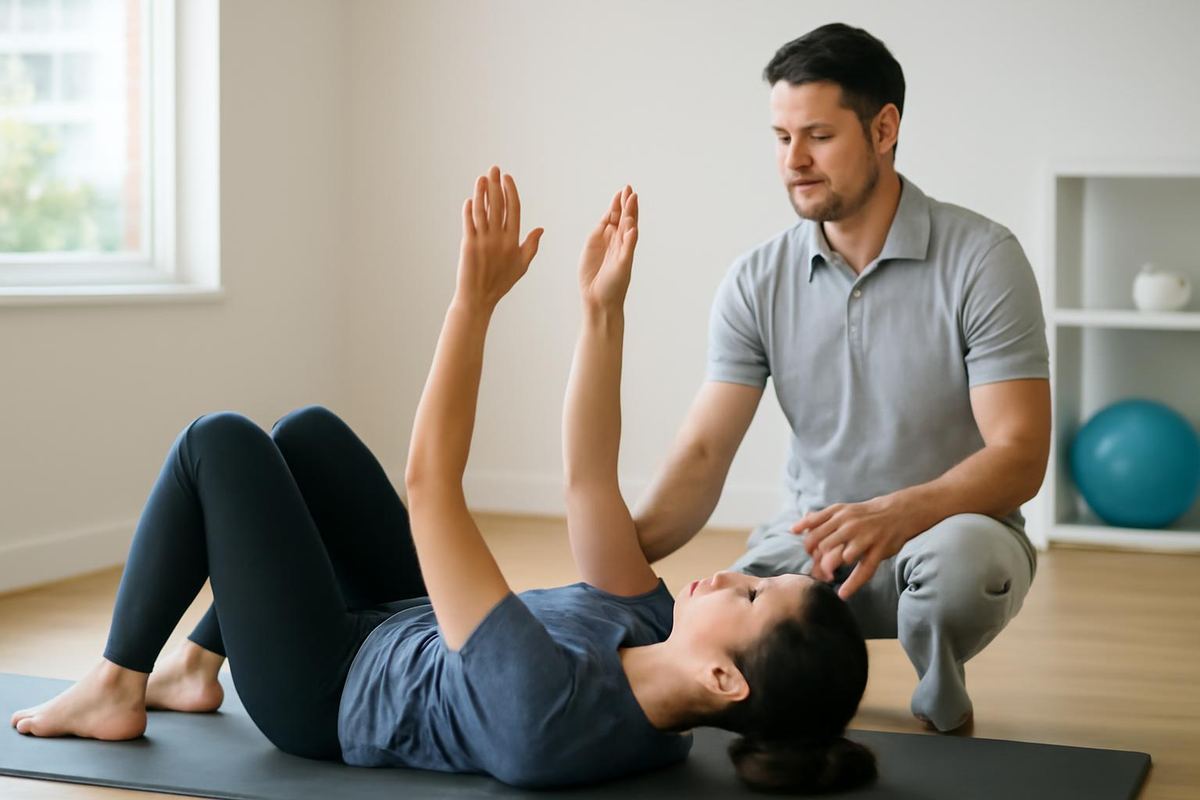
Build a Bulletproof Core in Markham
Build a Bulletproof Core in Markham
When your core feels weak, everyday tasks can start to feel like work. Reaching into the back seat, lifting groceries, sitting through a long meeting, or getting through a workout may leave your lower back feeling tired or irritated.
If this sounds familiar, you are not alone. Many people in Markham, ON look for ways to support their backs by strengthening the muscles that help stabilize the trunk, pelvis, and spine.
A well-designed core program may help you move with more confidence and reduce unnecessary strain during daily activity. At Remarkable Physiotherapy in Markham, core rehab is tailored to what your body actually needs, rather than using a one-size-fits-all routine.
What is core strength?
Core strength is not just about visible abdominal muscles. It refers to the group of muscles that help support your spine, pelvis, and trunk while you sit, stand, bend, twist, walk, and lift.
These muscles work together to help transfer force through your body and keep movement controlled. When they are not functioning well, other areas such as the lower back, hips, or neck may have to compensate.
A core-focused program is designed to improve how those muscles work together, not just how much weight you can hold or how many crunches you can do.
Why core support matters for Back Pain in Markham
Many people search for ways to prevent or manage back discomfort because pain can interrupt work, sleep, exercise, and family life. Building a more resilient core may help reduce stress on the spine during repetitive movements and longer periods of sitting or standing.
For people dealing with Back Pain in Markham, a stronger trunk can be one part of a broader plan that also addresses mobility, posture habits, breathing patterns, hip strength, and movement control.
It is not about creating a “perfect” posture all day. It is about helping your body tolerate the demands of real life more efficiently.
Common signs your core may need support
- Lower back discomfort after sitting or standing for a long time
- Feeling unsteady or stiff when bending, twisting, or lifting
- Discomfort during workouts, especially with squats, deadlifts, or running
- Needing to brace hard before simple movements
- Frequent tightness in the low back, hips, or abdomen
- Difficulty returning to regular activity after time off or after an injury
- Feeling like your back “takes over” instead of your trunk muscles
These signs do not point to a single cause, but they can be a clue that your movement strategy may benefit from assessment and retraining.
How Remarkable Physiotherapy approaches core-related back strain in Markham
At Remarkable Physiotherapy, we start by understanding what movements bring on symptoms and what activities matter most to you. Your plan is individualized after an assessment, so care can match your current capacity, goals, and comfort level.
Depending on your needs, treatment may include Physiotherapy, Manual Therapy, Therapeutic Exercise, McKenzie Method strategies, Soft Tissue Release, Myofascial Release, or other supportive approaches. If additional services may help, we may also discuss [link to Chiropractic Care page] or [link to Massage Therapy page] as part of a broader care plan.
For some people, a program may focus on learning how to brace gently during lifting. For others, it may focus more on breathing, hip control, endurance, or returning safely to sport, work, or recreational exercise.
We use a calm, step-by-step approach that is designed to help you understand your body and build confidence in movement over time.
What to expect at your first visit
Our process is straightforward and focused on making the first visit useful, not overwhelming.
1. Book
You can book online or by phone. Remarkable Physiotherapy is open 7 days a week in Markham, ON, and we offer direct billing to most major insurance providers.
2. Consultation
Your clinician will ask about your symptoms, daily routine, work demands, activity level, and any recent injuries or changes. The assessment may include movement screening, posture checks, and simple strength or control tests.
3. Treatment
Treatment may include hands-on care, education, and specific exercises matched to your needs. If appropriate, we may also discuss movement retraining, pacing, and home strategies that support everyday function.
4. Follow-Up
We review how you responded, adjust the plan as needed, and build progress gradually. Follow-up visits are used to refine your exercise plan and help you feel more confident with regular movement.
Simple core habits that may help protect your back
You do not need an intense routine to start supporting your spine. Small, consistent habits often matter more than occasional hard workouts.
- Practice gentle trunk tension before lifting or carrying
- Take movement breaks if you sit for long periods
- Build up walking, squatting, and hinging tolerance gradually
- Use exercises that challenge control, not just effort
- Pair core work with hip and glute strengthening
- Pay attention to breathing, especially during exertion
If you are unsure which exercises are appropriate, an assessment can help clarify what is safe and useful for your current stage.
When to see a professional
It is a good idea to seek an in-person assessment if back discomfort is limiting daily life, returning often, or not improving with basic self-care. Prompt evaluation is especially important if you notice new weakness, numbness, severe or rapidly worsening pain, changes in walking and balance, or pain after a fall or other injury.
A clinician can help determine what may be contributing to the problem and whether services such as Physiotherapy, [link to Chiropractic Care page], or [link to Massage Therapy page] may be appropriate.
FAQ
Is core training the same as doing abdominal exercises?
Not exactly. Abdominal exercises are one part of core training, but a good program also looks at the hips, pelvis, breathing, and how you move during real-life tasks.
Can core exercises help with back pain?
They may help support the spine and improve movement control, which can reduce strain during daily activities. The best exercises depend on why symptoms are happening and how your body currently responds to movement.
How long does core rehab take?
That varies from person to person. Some people notice changes in how they move or tolerate activity fairly early, while others need a longer, progressive plan. Your clinician can help set realistic expectations after assessment.
Should I avoid exercise if my back hurts?
Not always. In many cases, the goal is to find the right level and type of movement rather than stopping exercise completely. A physiotherapist can help you adapt activity safely.
Ready to support your back with a stronger core?
If you are dealing with recurring back strain or want help building a core program that fits your life, Remarkable Physiotherapy in Markham can help with individualized assessment and care. We are open 7 days a week, offer direct billing to most major insurance providers, and welcome adults, athletes, and anyone trying to move more comfortably.
Call us at +1 289-800-0441, email remarkablephysio@gmail.com, or book online at remarkablephysio.janeapp.com. This content is for educational purposes only and is not a substitute for an individualized professional assessment.